IBC 2026 brought the international media and entertainment industry together in Amsterdam — and for FoMaSystems, the conversations around the FoMa Antares went far beyond camera stabilization. They were about integration, interoperability and making professional camera movement systems work together.
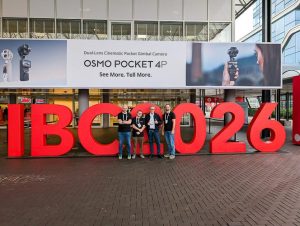
From 11 to 14 September 2026, the global broadcast, film, media and entertainment technology community gathered at RAI Amsterdam for IBC 2026. With more than 40,000 attendees and over 1,300 exhibitors, the event once again created an international meeting point for technology demonstrations, partnerships and discussions about the future of production.
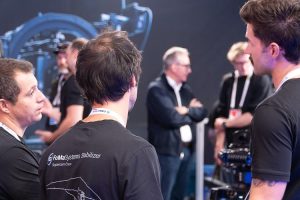
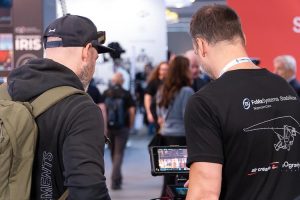
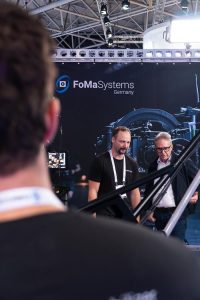
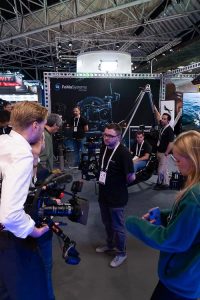
For FoMaSystems, this year’s IBC was particularly significant: for the first time, FoMaSystems presented its systems at IBC with its own booth in Hall 12, D23, directly at the entrance to the hall.
And while there was plenty to see, one topic consistently stood out: the FoMa Antares and its ability to integrate with different camera movement systems and production workflows.
FoMa Antares at the Centre of the Conversation
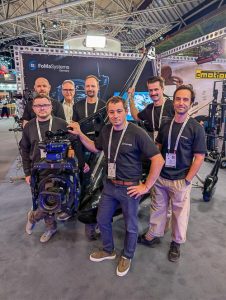
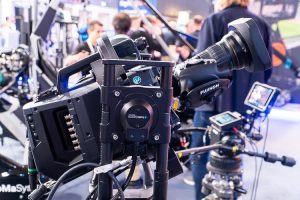
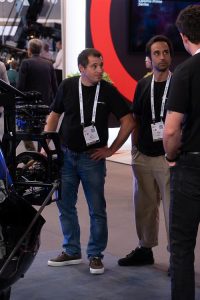
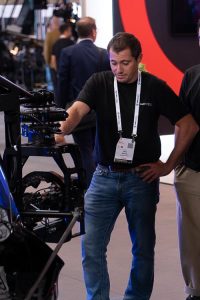
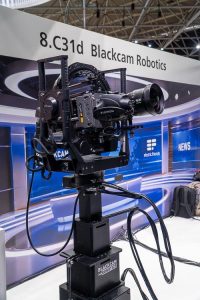
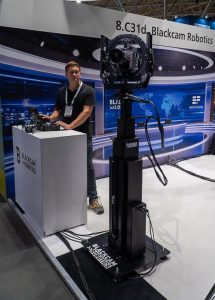
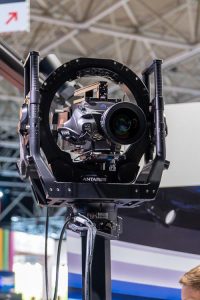
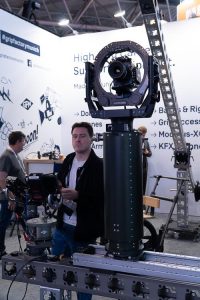
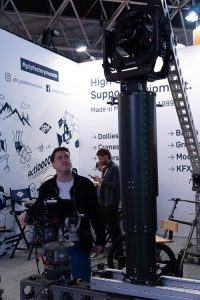
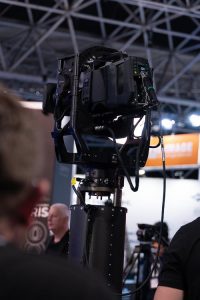
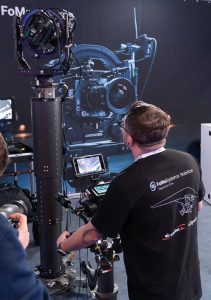
The FoMa Antares professional 3-axis stabilized remote head was at the centre of the FoMaSystems booth throughout the show. Visitors could experience the FoMa Antares together with the FoMa PanBar and explore how the system can be integrated into different production environments. At the same time, the FoMa Antares could be seen as part of different camera movement solutions across the show floor. At IBC 2026, the FoMa Antares was integrated into demonstrations by Blackcam, GFM and Motion Impossible, showing how a professional stabilized camera head can become part of different camera movement and production systems. These integrations created some of the most valuable conversations of the show. Rather than focusing on a single camera movement platform, the discussions centred on a broader question: How can camera stabilization, camera movement and camera control systems work together more effectively?
Professional productions rarely rely on a single piece of equipment. A stabilized camera head may become part of a dolly, vehicle, robotic platform, crane or other specialized movement system, while operators may also need to combine stabilization with lens control, camera control and dedicated operator interfaces. For FoMaSystems, this makes interoperability an important part of developing practical camera movement solutions.
Integration and Interoperability: Listening to the People Using the Systems
One of the clearest takeaways from IBC 2026 was the importance of integration and interoperability.
Throughout the show, the FoMaSystems team spoke with camera operators, rental companies, production professionals, customers and technology partners about how they use camera movement systems in real-world environments. These conversations provided direct insight into what professionals need from a stabilization system — not only in terms of technical performance, but also in terms of how easily it can become part of an existing workflow. For FoMaSystems, this feedback is an important part of product development. The goal is not simply to develop a stabilized remote head in isolation. The focus is on making the FoMa Antares work with the tools and systems productions already use — and enabling new combinations when a production requires them.
The integrations with Blackcam, GFM and Motion Impossible at IBC provided practical examples of this approach. They also demonstrated the importance of building camera technology that can connect with the wider production environment rather than operating as an isolated system.
FoMa PanBar: Direct Camera Movement Control
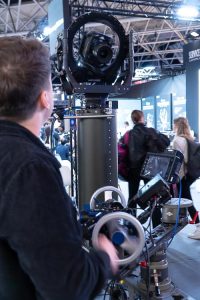
Another part of the setup that attracted attention at the FoMaSystems booth was the FoMa PanBar.
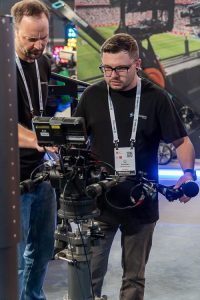
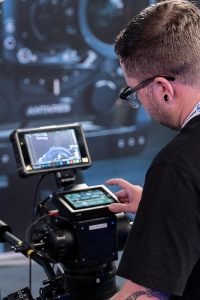
The PanBar provides a direct operator interface for controlling camera movement, allowing the stabilized head to be operated in a way that fits naturally into a production environment. Combined with the FoMa Antares, it gives operators a flexible solution for controlled camera movement while retaining the stabilization capabilities of the remote head. The interest in the PanBar at IBC also reinforced a broader point from the conversations on the booth: operators want technology that gives them control while fitting into the way they already work.
SkyperCam Brings Aerial Cinematography to Amsterdam
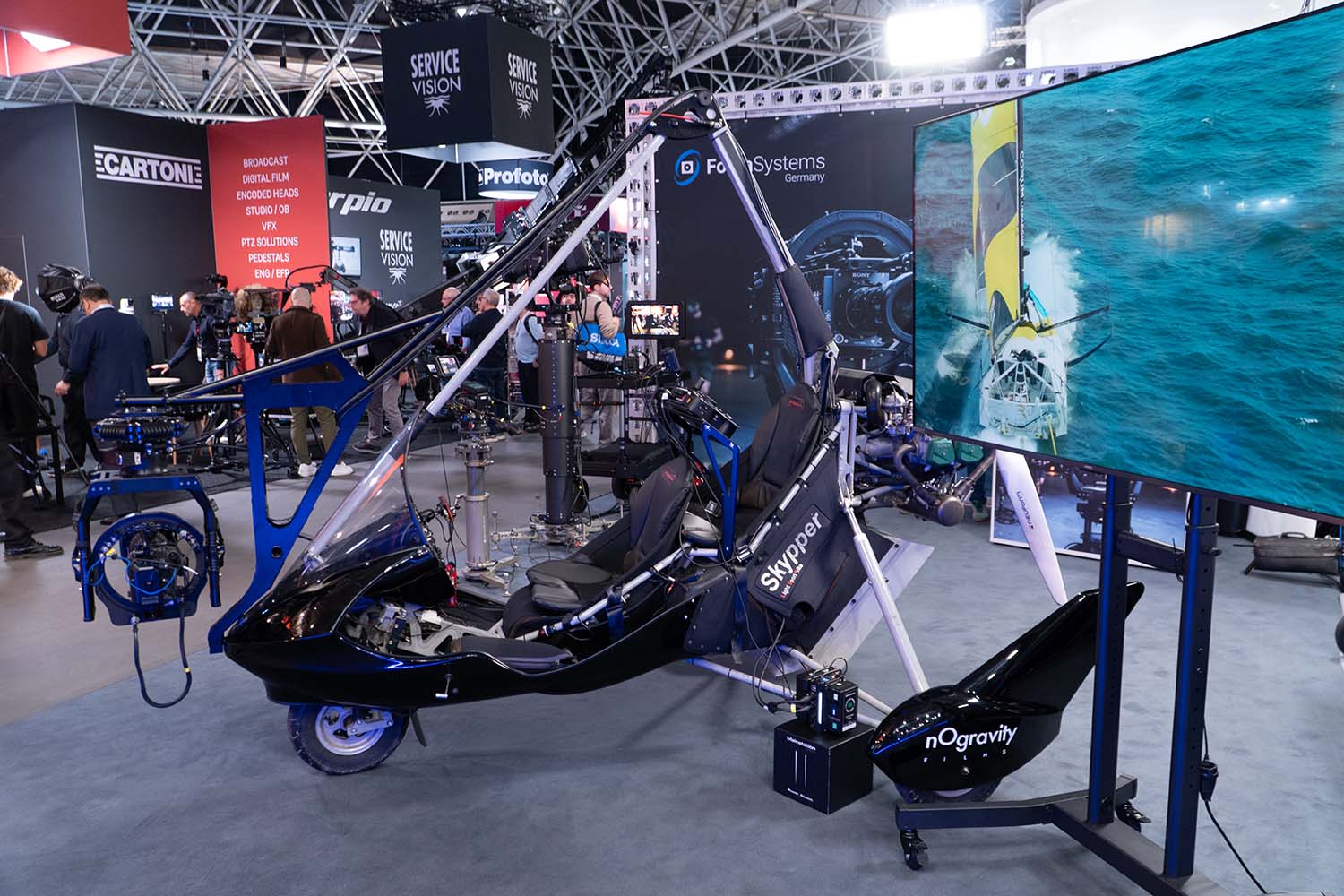
Together with Air Création and NoGravity Films, FoMaSystems brought SkyperCam to Amsterdam — combining a lightweight Air Création microlight aircraft with the FoMa Antares 3-axis stabilized camera system.
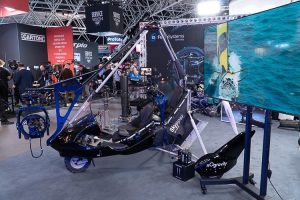
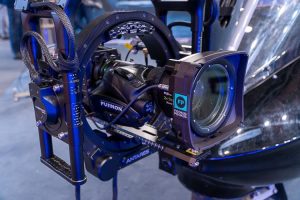
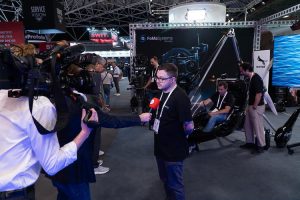
Mounted on the aircraft, the FoMa Antares stabilizes the camera during flight, giving productions controlled, stabilized aerial camera movement while maintaining the flexibility of a lightweight aviation platform. This combination offers a different approach to professional aerial cinematography and opens up new possibilities for dynamic tracking and low-altitude filming.
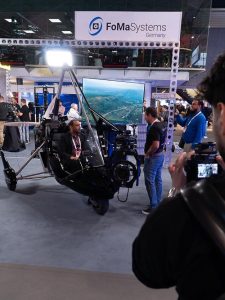
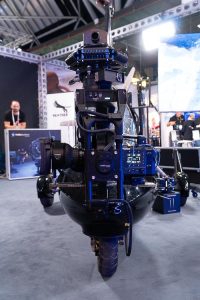
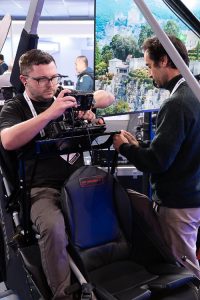
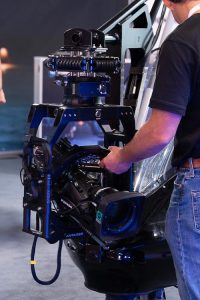
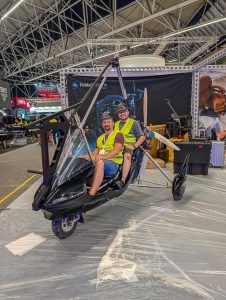
The Air Trike itself became an important part of the experience at the FoMaSystems booth. Visitors could see the aircraft up close, step inside and discuss the possibilities of SkyperCam for professional aerial filming.
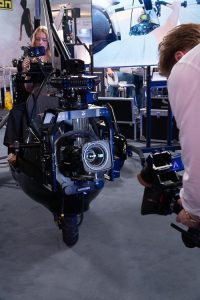
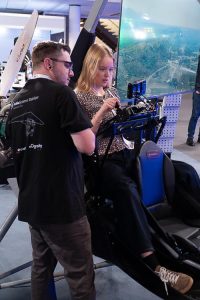
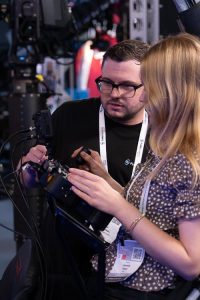
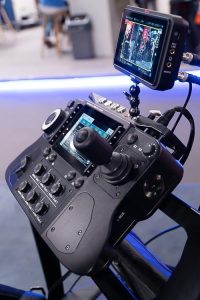
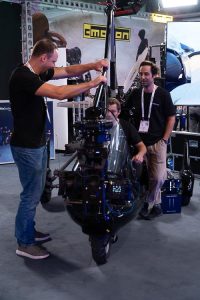
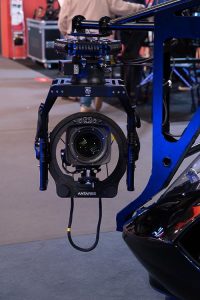
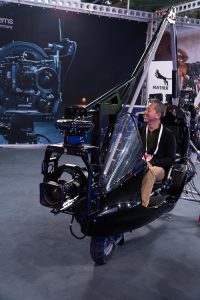
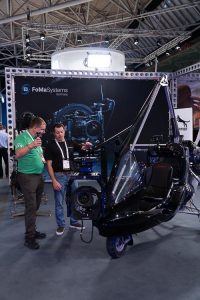
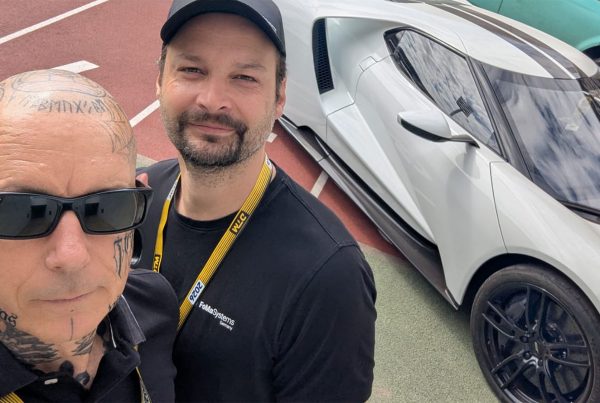
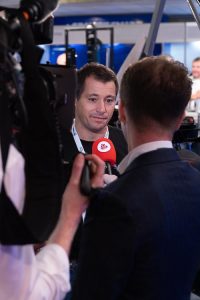
The SkyperCam team was also represented at the booth by Jason, pilot, Romain, camera operator, and Philibert from Air Création, the aircraft manufacturer. Their presence allowed visitors to discuss the system not only from a technology perspective, but also from the perspective of operating and using it in real production environments.
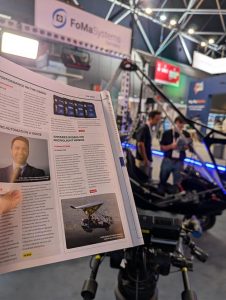
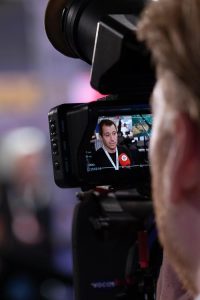
SkyperCam is part of a growing network designed to make this aerial cinematography setup available to productions in different locations.
Find out more about SkyperCam and the technology behind the system at www.foma-systems.com/skypercam/
Looking Beyond IBC 2026
IBC 2026 showed how important collaboration between different technologies has become across professional media production.
For FoMaSystems, the direction is clear: develop flexible camera stabilization and movement solutions that can adapt to the production, rather than forcing the production to adapt to the system.
The FoMa Antares remains at the centre of this approach.
Its integrations with Blackcam, GFM and Motion Impossible at IBC 2026 provided practical examples of what interoperability can look like, while the conversations with operators, customers and partners provided valuable insight into what professionals need from camera movement systems.
The questions, ideas and feedback received throughout the show will continue to influence how FoMaSystems develops its products and integrations — including new ways to connect the FoMa Antares with camera movement systems and production workflows.
Thank you to everyone who visited FoMaSystems at IBC 2026, shared their experience, demonstrated our systems with us, or discussed what you would like to see next.
We look forward to turning those conversations into the next steps in camera stabilization, integration and camera movement technology.