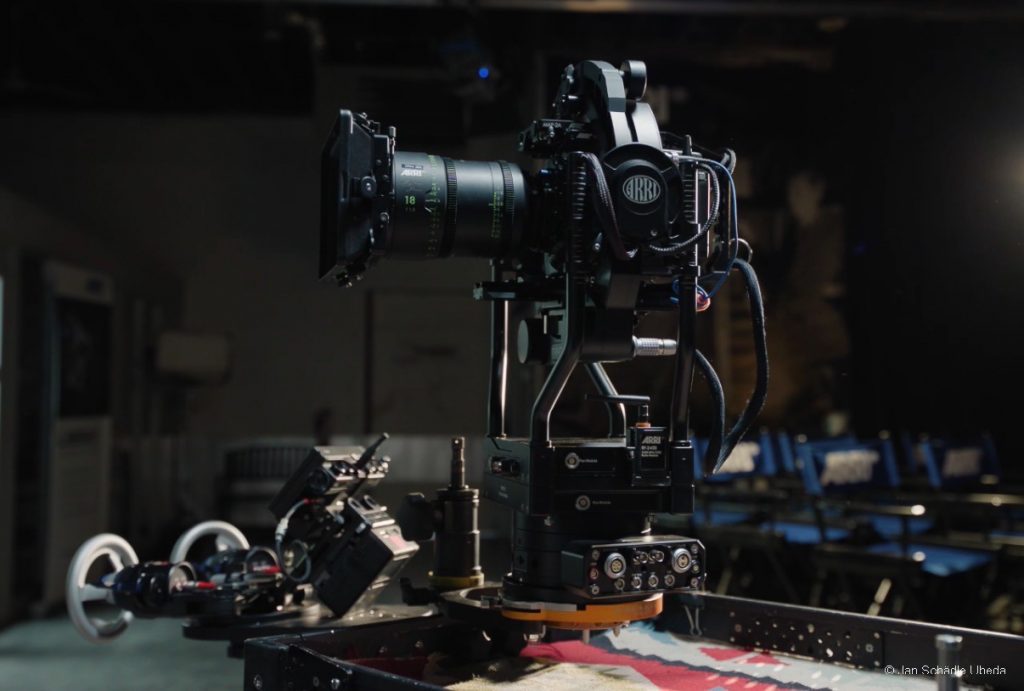
FoMa Maxima Mk II

The Most Powerful Handheld Stabilizer

The FoMa Maxima Is Back

The gimbal that redefined how far handheld cinema could go. Reimagined for what comes next.

More than a decade later, original Maxima systems are still working on professional productions around the world — and more and more customers continue to ask us if they can buy Maxima again. So we kept what made Maxima exceptional and rebuilt the technology around it.

FoMa Maxima Mk II retains the proven mechanical architecture and unmistakable silhouette of the original, now powered by native 24v electronics and a streamlined EvolveOS interface for faster setup, more torque, industry-leading control options, and computer-free configuration.

With 50% more torque across every axis, Autotune PID, custom profiles, system monitoring, and the use of B-Mount or Gold Mount Plus battery plates, FoMa Maxima Mk II is faster to configure and adapt as camera builds change. The new FoMa RCP Lite brings that workflow directly to the operator with built-in Mimic Control, professional wheel options, FoMa PanBar integration, and high-power frequency-hopping 2.4 GHz wireless control capable of 1 Watt — bringing Maxima into the same familiar workflow as FoMa Antares.

FoMa Maxima Mk II will be manufactured in a limited number of units. This is a dedicated production run rather than a return to regular mass roduction. Once the units allocated to this edition are complete, no additional units are currently planned as part of this release.
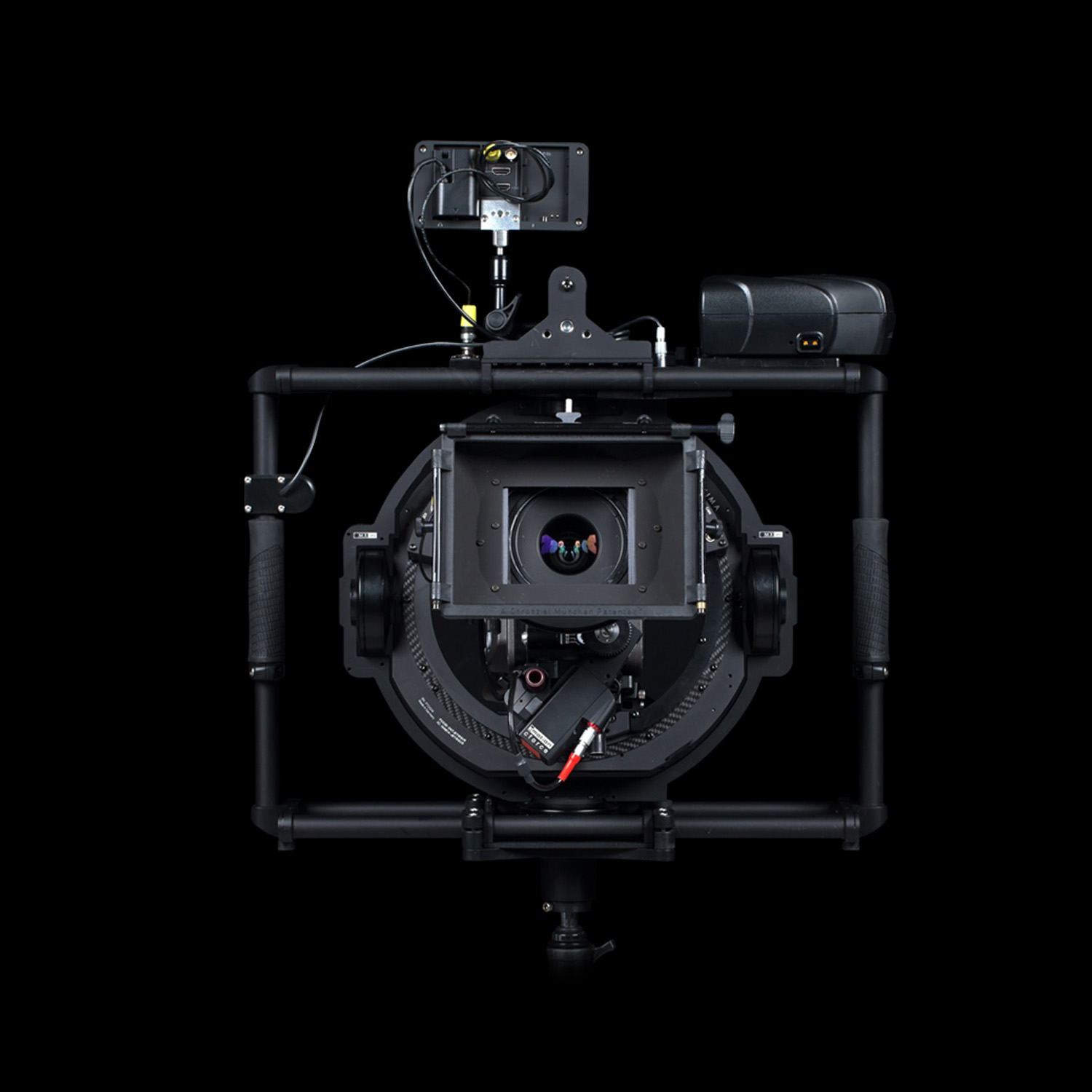
FoMa Maxima Mk 2 product preview picture

Image shows a previous version and is for illustrative purposes only.

FoMa Maxima Mk II

The most powerful handheld stabilizer

  • Autotune PID Function
  • 50% more torque
  • Up to 30 kg / 66 lb payload
  • Approx. 7,5 kg / 16.5 lb System weight
  • Completely renewed native 24V Electronics
  • 24V B-Mount or 24V Gold Mount Plus Battery Plate
  • Complete Remote Configuration
  • Onboard Profile Selection
  • Mimic Control
  • FoMa ElolveOS
  • Professional Control Integration

Kit incl. FoMa Remote Control Lite

EUR 13,750 worldwide*

US$ 14,990 USA only*

* plus any applicable taxes / tariffs and shipping costs

Key Features

1

Autotune PID Function

Quickly optimizes stabilization for changing camera builds, reducing setup time between configurations.
2

Up to 30 kg / 66 lb Camera Payload

Designed for full-size cinema cameras, large zoom lenses, specialty broadcast cameras, and specialized camera packages beyond the normal payload class of handheld gimbals.
3

Approx. 7.5 kg / 16.5 lb System Weight

An exceptional payload-to-system-weight relationship that remains central to the Maxima design.
4

Completely Renewed Native 24v Electronics

A new electronic foundation with 50% increased motor torque for all three axes.
5

24v B-Mount + Gold Mount Plus Compatible

Support for modern professional 24v battery workflows, configuration option with B-Mount or Gold Mount plus battery plate.
6

Integrated 12v Down-Conversion

Accessory power for cameras and production equipment requiring traditional 12v supplies from the 24v battery source.
7

New 2.4 GHz Wireless FoMa RCP Lite

Integrated display and up to 1W transmission power capability for demanding long-distance applications.
8

Complete Remote Configuration

System settings, tuning, and profiles can be configured from the FoMa RCP Lite. No computer required.
9

Onboard Profile Selection

Switch stored operating profiles directly from FoMa Maxima's Mk II integrated on-bard display.
10

Mimic Control

Physical movement of the FoMa RCP Lite is translated into stabilized pan, tilt, and roll movement.
11

FoMa EvolveOS

A streamlined Maxima implementation of FoMa's modern operator interface.
12

Professional Control Integration

Compatible with NODO Wheels, ARRI Wheels, PLC Wheels, and FoMa PanBar.

A New Generation of Maxima

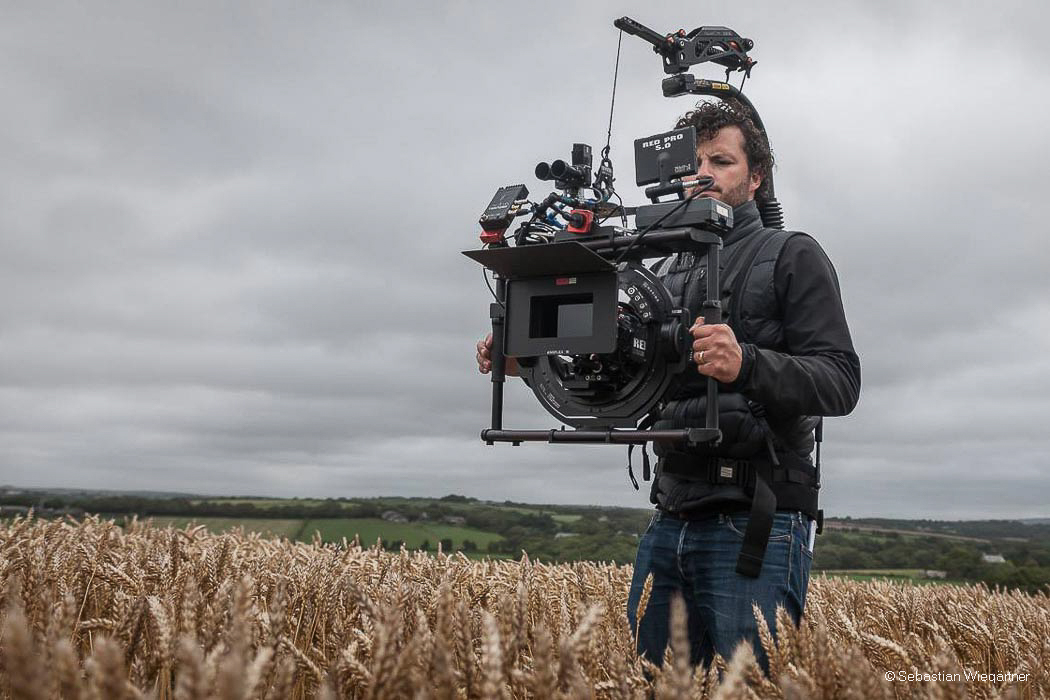
FoMaSystems handheld Gimbal Maxima carried through a field

EvolveOS comes to FoMa Maxima Mk II

EvolveOS brings Autotune, custom profiles, system monitoring, and a intuitive operator interface to Maxima Mk II — no computer required. Quickly adapt to new camera builds, save and recall profiles, and monitor performance directly on set, with the same familiar workflow known from FoMa Antares.

  • Auto Tune: Quickly optimizes stabilization for changing camera builds, reducing setup time between configurations.
  • Custom Profiles: Save and recall settings for different cameras, lenses, payloads, and operating conditions.
  • Mimic Control:Built into the FoMa Core RCP. Move the FoMa Core and MAXIMA Mk II follows for intuitive remote operation.
  • Real-Time System Monitoring: View system status and performance information directly through the EvolveOS interface.

Native 24v. 50% More Torque.

The move to 24v is more than a battery update. FoMa MaximaMk II’s electronics are now natively designed around a 24v system, increasing the available motor performance and torque across every stabilized axis by 50%. The power system supports modern 24v BMount and Gold Mount Plus battery plates, while integrated 12v down-conversion maintains support for cameras, wireless systems, lens-control equipment, monitors, and other accessories that operate on traditional 12v.

FoMas handheld Gimbal Maxima in a field
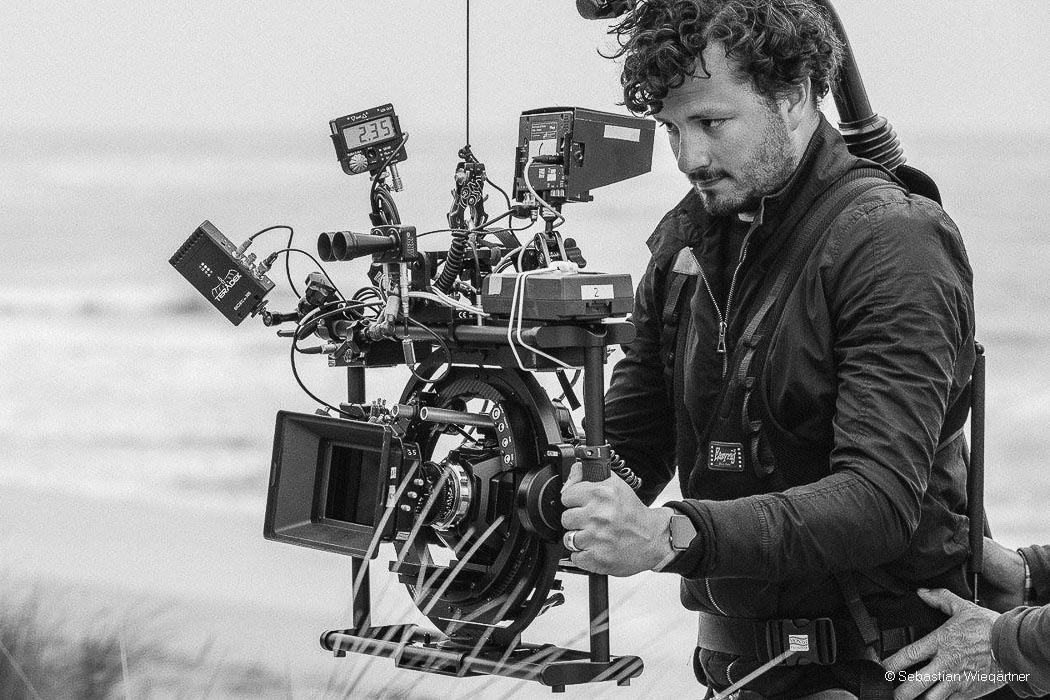
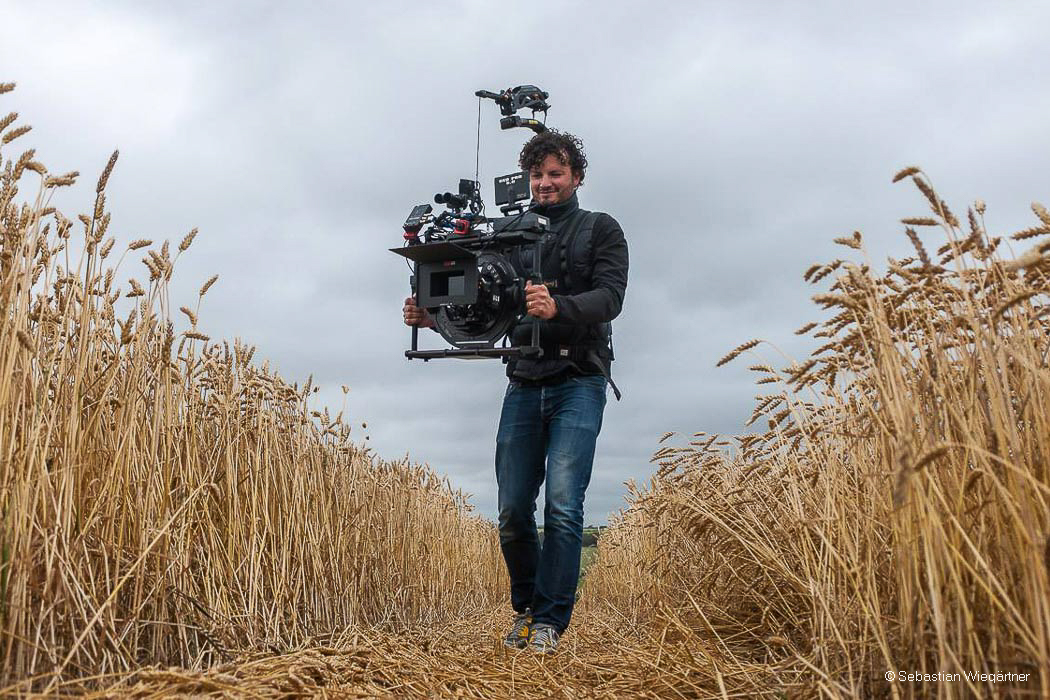
Man-carrying-the-handheld-Gimbal-Maxima

Control Without the Computer

One of the most significant workflow changes in FoMa Maxima Mk II is what operators no longer need. The new FoMa RCP Lite provides high-power-capable, frequency-hopping 2.4 GHz wireless control with an integrated display for direct access to system settings, tuning, profiles, and operating parameters. FoMa Maxima Mk II can be completely configured without requiring separate computer software. The FoMa RCP Lite also provides integrated Mimic Control, allowing FoMa Maxima Mk II to follow the physical movement of the controller for an intuitive alternative to conventional operating methods. For extreme-distance applications, the wireless architecture is capable of transmission power up to 1 watt where permitted regionally, providing robust long-range control and communication.

30 kg / 66 lb. No Compromise.

FoMa Maxima Mk II supports camera payloads up to 30 kg / 66 lb while weighing approximately 7,5 kg / 16.5 lb itself — an  exceptional 4:1 payload-to-system-weight ratio that gives operators the freedom to work with full-size cinema cameras, large zoom lenses, broadcast configurations, and specialized camera builds without compromising the package to fit the gimbal. At a system weight comparable to a DJI Ronin 2 with its surrounding frame, FoMa Maxima Mk II supports more than twice the rated payload. It was designed from the beginning for professional high-payload camera work — not scaled up from a lightweight gimbal concept.

The-handheld-Gimbal-FoMa-Maxima
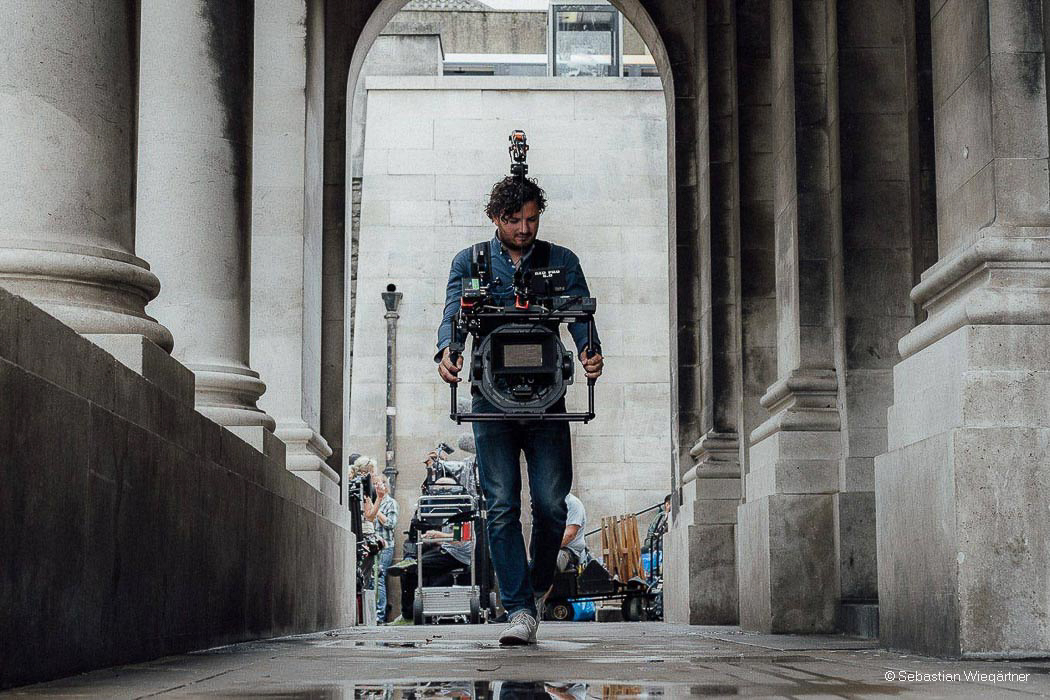
Man-holding-Gimbal-Maxima-while-walking

Built Around the Ring

At the center of FoMa Maxima Mk II is its distinctive closed-ring mechanical architecture. The rigid structure creates a stable platform around the camera and works together with precision bearings and specially developed high-torque brushless motors to maintain smooth, controlled movement under substantial loads. The design was created with power reserve in mind. Optimized bearings, rigid mechanical construction, and high motor torque provide the force and structural stability required for dynamic camera movement with demanding configurations both handheld or mounted to vehicles, cranes, dollies, or structures.

Set Up. Balance. Shoot.

Professional camera builds change throughout the day. Lenses, accessories, wireless systems, and production requirements can quickly alter the camera’s center of gravity. FoMa Maxima Mk II uses the same simple to use dovetail adjustment found in all FoMa products to support fast camera installation and precise fore-aft and side-to-side positioning, helping operators quickly set balance and return to shooting efficiently.

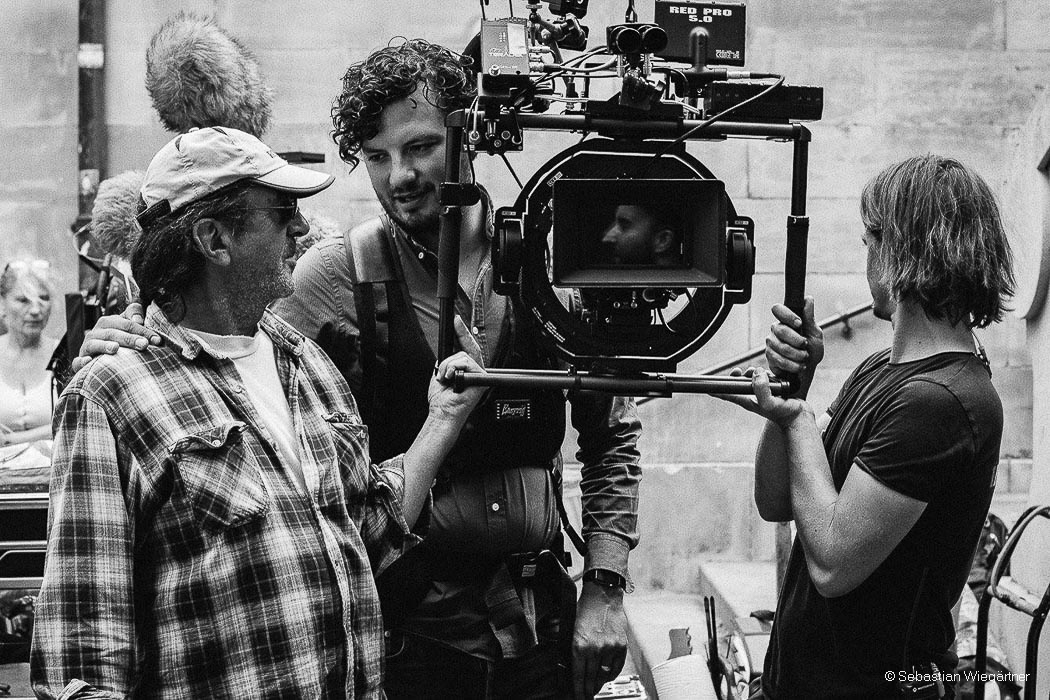
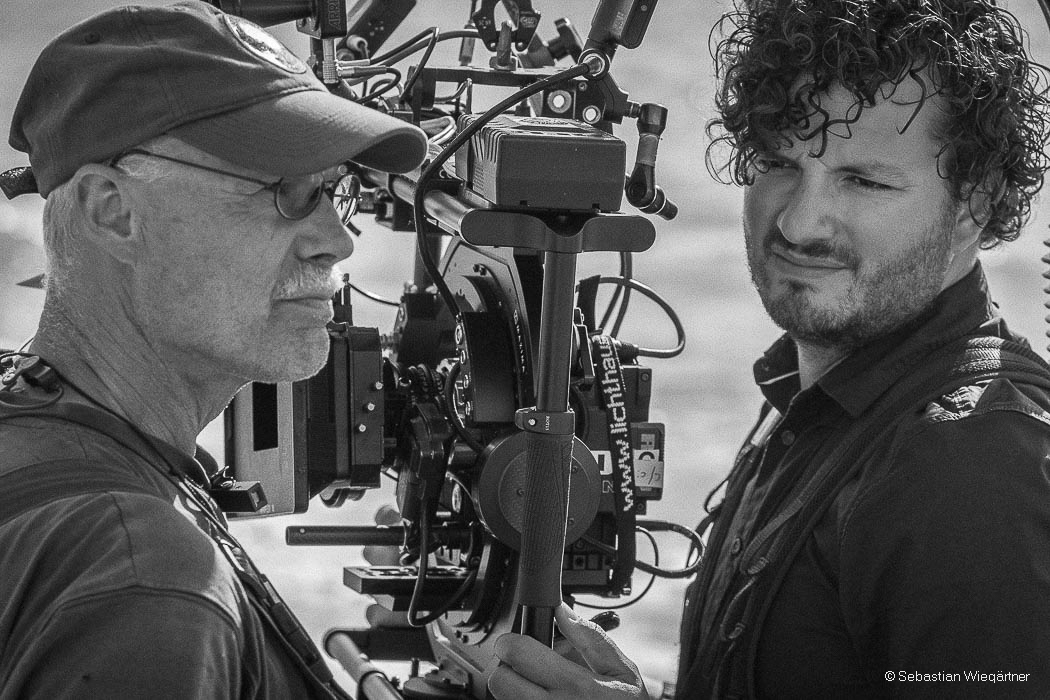
FoMa-Maxima-Gimbal-with-two-operators

Preliminary Technical Specifications

Product

FoMa Maxima Mk II Limited Edition

Type

Three-axis high-payload handheld and remotely operated stabilized camera platform

Maximum Camera Payload

30 kg / 66 lb

Approximate System Weight

7.5 kg / 16.5 lb

Stabilized Axes

Pan / Tilt / Roll

Mechanical Architecture

Closed / nested ring stabilization architecture

System Voltage

Native 24v

Battery Systems

24v B-Mount; 24v Gold Mount plus battery plate

Accessory Power

Integrated 12v down-converted output

Wireless Control

2.4 GHz

Wireless Transmission Power

Up to 1 Watt

Local Interface

Integrated FoMa Maxima display with direct profile selection

Remote Configuration

Complete system configuration through FoMa RCP Lite

Computer Required

No

Operating Interfaces

Wireless Remote, Mimic Control, FoMa PanBar, NODO/ARRI/PLC Wheels

Control Software

FoMa EvolveOS — Maxima implementation

Availability

Limited production

Complete Kit Price

EUR 13,750 plus any applicable taxes / tariffs and shipping costs

Manufacturer

FoMaSystems GmbH

What does “Order of Axis” mean?

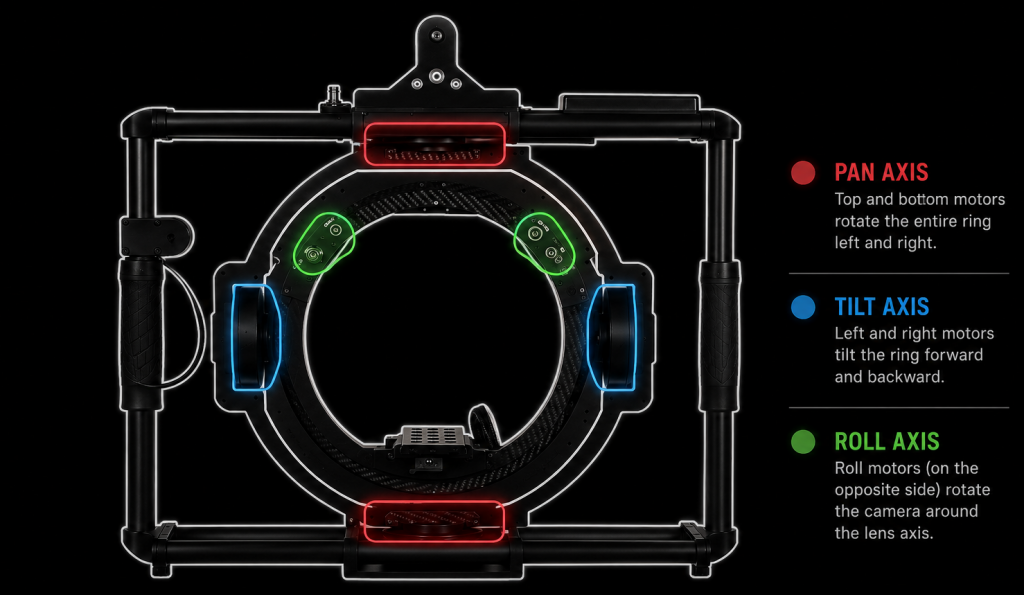
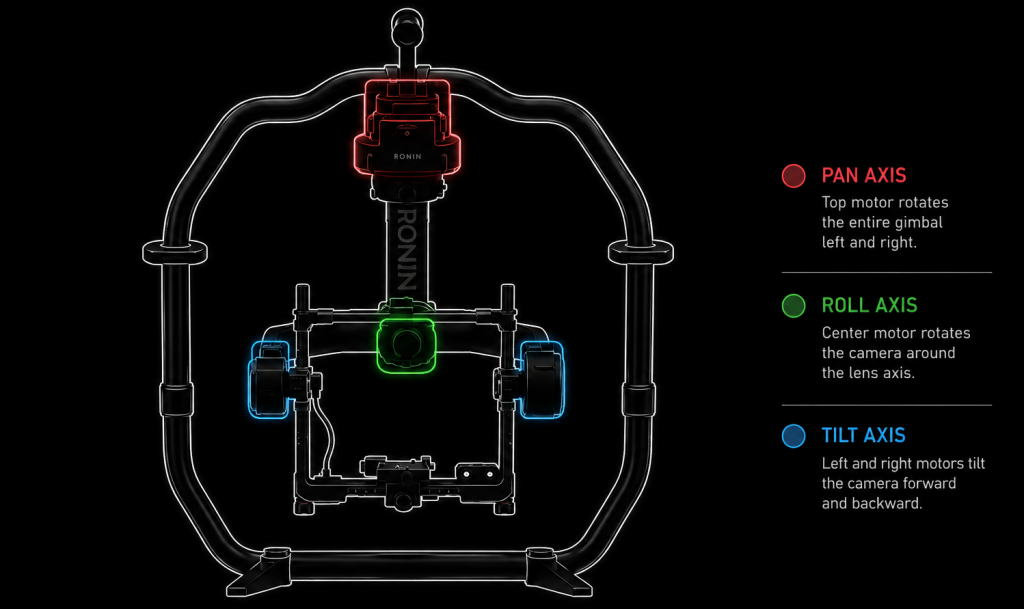
Order of Axis describes the sequence in which a gimbal’s three stabilized axes — pan, tilt, and roll — are mechanically arranged from the outside of the system toward the camera.

FoMa Maxima Mk II uses a Pan → Tilt → Roll Order of Axis.


Conventional L-shaped gimbals (e.g. DJI Ronin 2) use Pan → Roll → Tilt Order of Axis.

This difference affects more than the physical shape of the gimbal. It influences how the camera sits within the stabilized axes, how it balances, and how easily different camera packages can be accommodated.

Why does FoMa Maxima Mk II use a Pan, Tilt, Roll Order of Axis?

FoMa Maxima Mk II’s ring architecture is designed so that its stabilized axes share a common function of stabilizing the center of the lens. Pan, tilt, and roll therefore stabilize around the same lens-centered reference point rather than three physically offset centers of rotation.

This geometry is fundamental to FoMa Maxima Mk II’s mechanical design and contributes to both its payload capability and its simplified approach to balancing and tuning all types of professional camera packages.

How is balancing MAXIMA Mk II different from a L-shaped gimbal?

FoMa Maxima Mk II requires only two camera balance adjustments: fore/aft and side-to-side.

Conventional L-shaped designs require additional adjustments to establish full system balance across their offset axes.

The difference becomes particularly noticeable whenever the camera package changes. Changing a camera body, lens, filter, matte box, focus motor, transmitter, battery, or other accessory can shift the center of gravity. On a conventional L-shaped gimbal, that may mean revisiting several dimensions of balance across all three axis. FoMa Maxima Mk II reduces the number of variables the operator has to chase. With good mechanical balance established quickly, FoMa Maxima Mk II can then be Autotuned and returned to shooting with minimal setup time.

Why does the ring design matter for long camera builds?

Long camera packages can present a challenge for conventional L-shaped gimbals because the camera may need to move farther forward or back to reach its natural center of gravity than the physical frame of the gimbal allows. In these situations, counterweight may be required to bring the package into balance. That added weight becomes part of the stabilized payload, using valuable capacity simply to accommodate the length of the camera build.

FoMa Maxima Mk II’s open ring design provides greater freedom to position and balance long camera packages within the system, allowing more of its payload capacity to be used for the camera package itself rather than counterweight.

Looking for seamless integration or expert solutions?
How can we help?